




You’re diving into a name that resonates with the echoes of political history but holds its unique narrative. We’re talking about Gustavo Díaz Ordaz Borja! You may wonder why this name sounds familiar. Could it be that you’re thinking of someone else? Let’s untangle the threads of lineage and legacy to discover who Gustavo Díaz Ordaz Borja really is.
Introduction to Gustavo Díaz Ordaz Borja
What a name, right? Gustavo Díaz Ordaz Borja isn’t just any name wandering in the vast space of Mexico’s rich historical maze. Instead, it comes with the weight of past glories and, ahem, maybe a few skeletons in the closet. But here’s the kicker: while you might be associating this name with a certain Mexican president from the latter half of the 20th century, there’s a lot more to uncover.
Gustavo was born into a family with notable ties. Like a well-crafted family tree, his lineage is peppered with nods to notable figures, including his famous (and somewhat controversial) namesake, Gustavo Díaz Ordaz Bolaños. But let’s keep things clear: Gustavo Díaz Ordaz Borja offers a fresh chapter—a distinct identity worth exploring. And here’s why he’s an exciting find.
Family Ties and Historical Legacy
Here’s the thing: we’ve got two Gustavos we’re dealing with, and they’re as distinct as day and night. Our main man, Gustavo Díaz Ordaz Borja, was born to José Gustavo del Santísimo Sacramento Díaz-Ordaz Bolaños and Guadalupe Borja Osorno. It’s a bit of a mouthful, but it’s crucial to get these family ties right if we’re to truly appreciate this character’s background.
Imagine being named after a predecessor with such a grand—and shall we say, complex—legacy? It’s like being named “James Bond” and then expected to live up without the fancy gadgets or Aston Martins. So, let’s split hairs here. Borja is not the former Mexican President. He cannot be simply defined or overshadowed by the political actions of Díaz Ordaz the elder. Yet, their shared name does invite a deeper look into how historical shadows are formed.
Gustavo Díaz Ordaz Bolaños: A Glimpse of Mexico’s Past
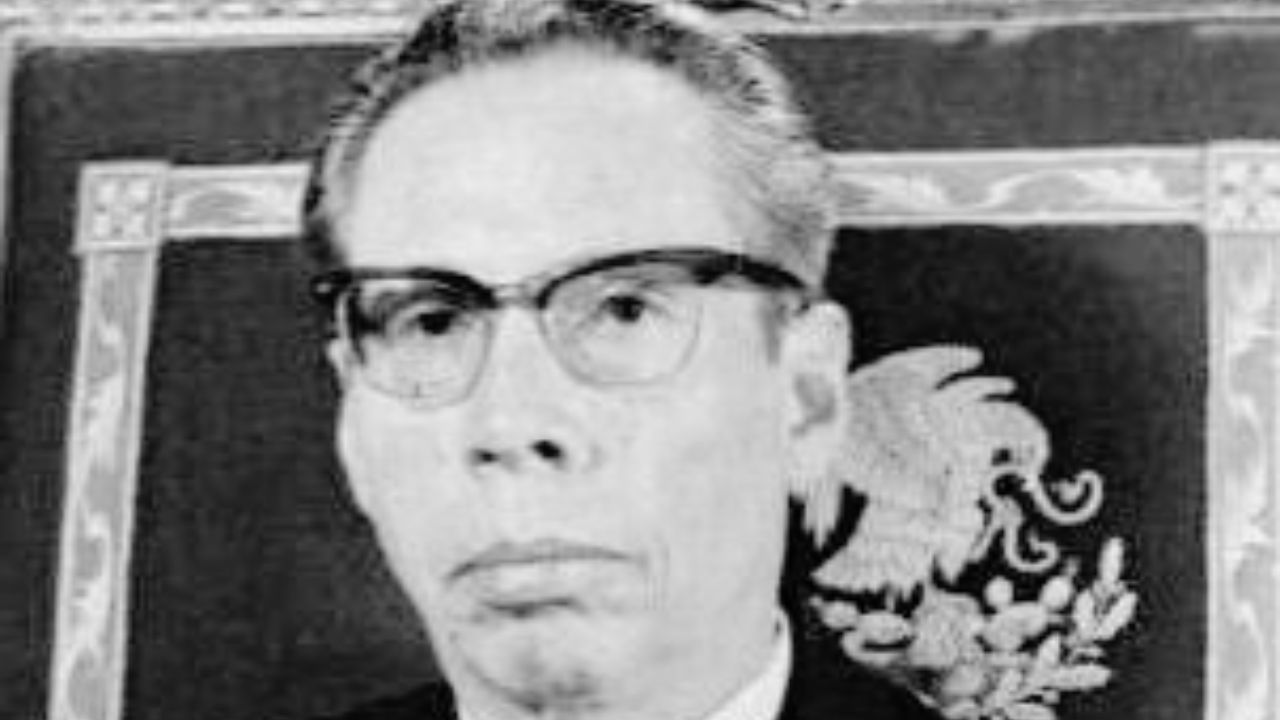
Let’s take a quick time-travel detour to the not-so-far-off past of Gustavo Díaz Ordaz Bolaños, a man whose influence on Mexican politics is a tapestry woven with towering highs and equally plunging lows. Holding the reins as the President of Mexico from 1964 to 1970, Díaz Ordaz Bolaños shaped the nation, stirred emotions, and ruffled quite a few feathers.
Political Journey: He wore many hats—a Senator, a Deputy, Secretary of the Interior, and eventually, President. Talk about career goals!
Education: Armed with a law degree from the University of Puebla, he was a man of intellect, strategizing Mexico’s path towards modernization.
But let’s not gloss over history too quickly. His tenure wasn’t without its controversies. His handling of the 1968 Tlatelolco massacre remains an infamous historical mark. It was a period of economic growth but also a time shadowed by political distress. Quite the irony, right? Upward mobility in the economy, but a jagged step back in public emotion.
Achievements and Challenges During the Presidency
Ah, the sweet and sour assortment that was Gustavo Díaz Ordaz Bolaños’s presidency! The positive notes? Let’s start with the music of economic humming. He strived to sling Mexico upward and onward, with modernizing projects, improved infrastructure, and upward economic mobility.
But wait—and there’s quite the significant ‘but’ here—the Tlatelolco massacre in 1968 was a stark blot. The incident left a mark on Mexico’s political conscience that’s hard to erase. People still debate the hows and whys, using the incident as a warning beacon in history lessons. Ordaz Bolaños’s response (or lack thereof as critics argue) tells a tale of both his strengths and weaknesses. A lesson in political chess—some moves lead to checkmate and others, well, to checkmate your own king.
Discussion on Historical Impact and Controversies
So, what sticks in the end? How do we measure the legacy of Gustavo Díaz Ordaz Bolaños? Some say he set the stage for Mexico’s future economic policies, while others hold him accountable for the political chaos masked under the cloak of growth. His legacy is a living thing, evolving with each retelling.
Influence on Modern Mexican Politics: Whether constructive or cautionary, his blueprint is threaded into today’s political fabric.
Complex Legacy: Leaders are often the architects of both progress and problems, offering a spectrum of lessons on governance.
Conclusion
So here we are, wrapping up the tales of names that reached out from Mexico’s past into the present. Remember, it’s Gustavo Díaz Ordaz Borja’s name we set out to explore—a name with its own melody—standing beside the legacy towering above yet holding its identity.
In a realm where names echo through time, Borja’s unique identity reminds us that each individual, even one sharing a moniker with historical giants, has a story waiting to be told. It’s like remembering the colors beside the documents that paint politics, ensuring memory holds both the man and his myth in a balanced view. Let’s continue seeking these stories, diving deeper into familial paths, never satisfied with surface skims. After all, history is a living tale with chapters still being written every day. And you, my dear reader, are part of the audience keeping it alive.
For more captivating insights into rich histories and untapped stories, check out this exciting resource here.
Also Read: